
2026-09-03 ·
Preventing Frozen Drains During Harrisburg Winters
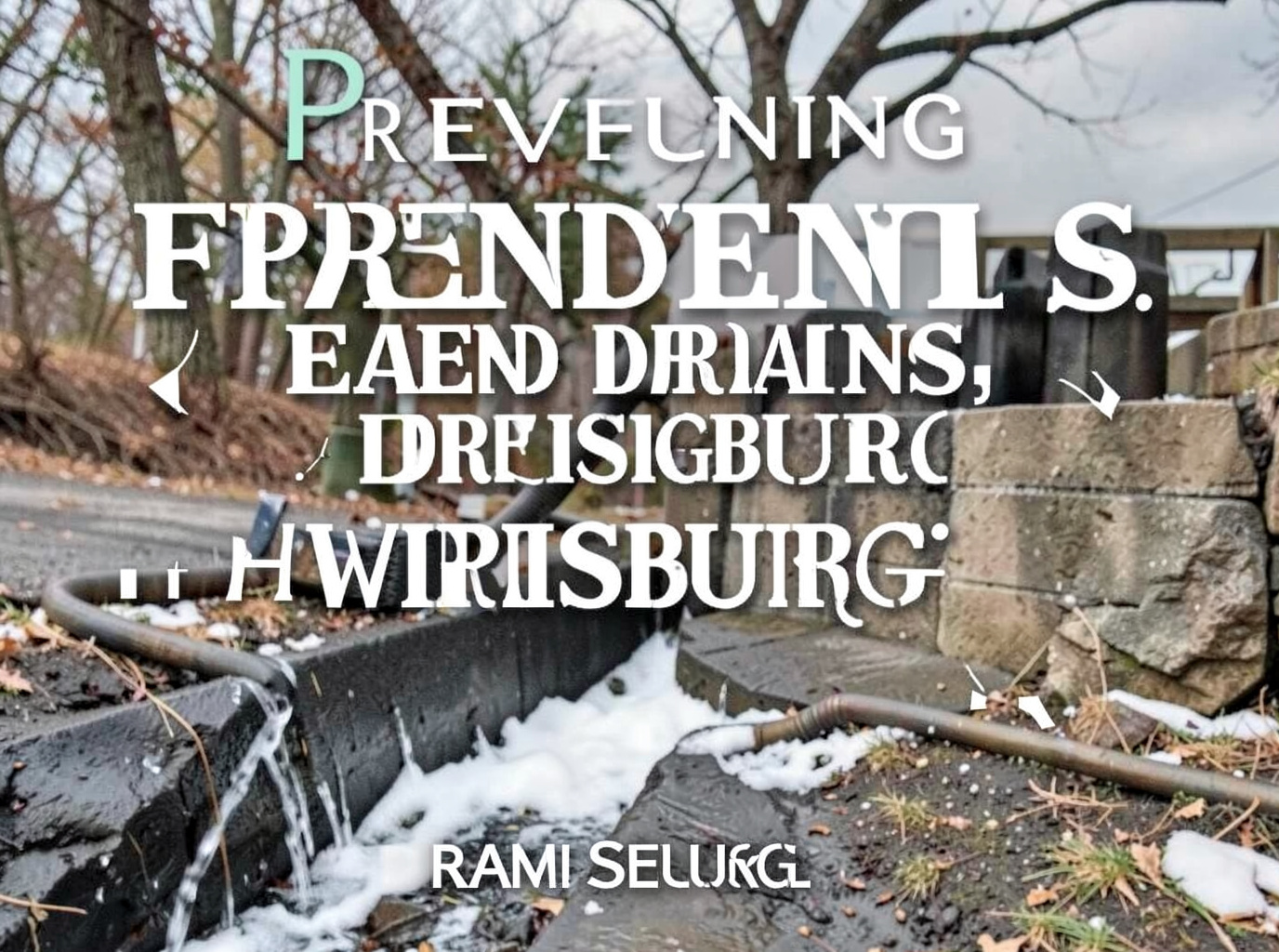
In Harrisburg's humid continental climate, where winter lows frequently hit the teens and stay there for days, the most reliable way to prevent frozen drains is to insulate exposed pipes, keep a slow trickle of water moving through vulnerable lines, and schedule preventive checks before the first hard freeze.
Understanding Local Winter Risks in Dauphin County
Harrisburg experiences extended cold periods that penetrate older housing stock built before modern insulation standards, especially in neighborhoods such as Allison Hill, Uptown Harrisburg, and Shipoke. Many homes there still rely on cast iron or galvanized lines that lose heat quickly when temperatures stay below 20°F. The Susquehanna River moderates some extremes yet also creates frost pockets along Riverfront Park and Bellevue Park where wind chill accelerates pipe freezing. Nearby cities like York, Lancaster, and Carlisle share similar patterns, but Harrisburg's denser historic blocks mean more shared walls and shallow burial depths that leave drains exposed. Residents notice the first clogs after three or four consecutive nights below freezing when water backs up in basement floor drains or outdoor cleanouts.
Protecting Pipes in Older Harrisburg Homes
Focus first on any drain lines running through unheated crawl spaces or along exterior walls common in Midtown Harrisburg and Downtown properties. Wrap those sections with foam pipe insulation rated for at least R-6 and seal gaps around penetrations with expanding foam. In Allison Hill row homes, check where kitchen and bath stacks exit near the foundation; those spots freeze first because soil moisture conducts cold inward. Keep cabinet doors under sinks open on the coldest nights so indoor heat reaches the pipes. A steady drip from a faucet on the affected line, roughly one drip per second, keeps water moving and raises the freezing point slightly inside the pipe. Avoid using heat tape on drains unless it is specifically rated for wet locations and plugged into a GFCI outlet.
Daily Habits That Reduce Freeze-Ups
During cold stretches, run warm water through every drain for two minutes each morning and evening, paying special attention to seldom-used guest baths and laundry lines. Clear snow and ice from outdoor cleanouts near Broad Street Market or the National Civil War Museum properties so access remains open if a line does freeze. Never pour antifreeze or salt into drains; both damage septic or municipal systems downstream. If a line serves a rarely heated garage or shed, shut off the water to that branch and drain it before Thanksgiving. These small steps cut emergency calls by keeping water in motion and preventing the ice expansion that cracks older cast iron joints.
Knowing When Professional Help Is Needed
If water stops draining after a hard freeze or you hear gurgling from multiple fixtures, stop running water and call a technician before attempting to thaw the line yourself. Persistent slow drains after the weather warms often point to partial ice damage or debris that accumulated during the cold spell. Preventive Drain Maintenance visits before December can identify weak points in Dauphin County homes. When a freeze has already occurred, Emergency Drain Clearing crews use camera inspection and controlled thawing methods that avoid pipe bursts. For homes with recurring winter issues, review the budgeting realities outlined in What To Expect When Budgeting For Drain Cleaning In Dauphin County so you can plan insulation upgrades alongside routine service.